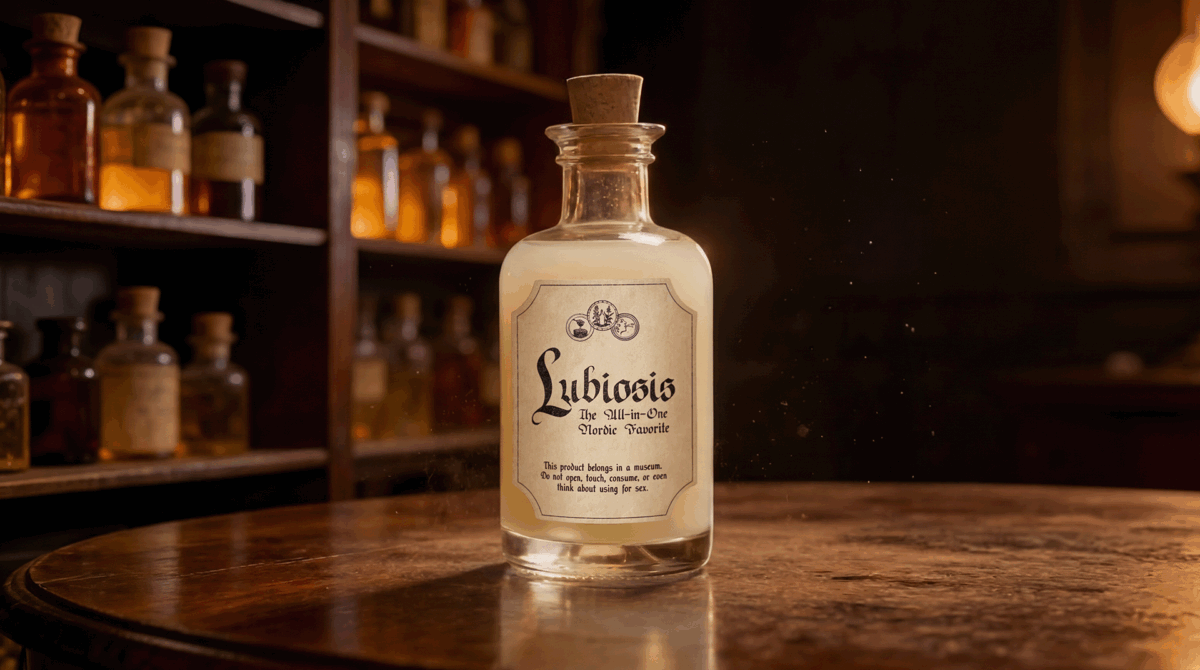
LUBIOSIS – a concoction of “undercover” lubricants
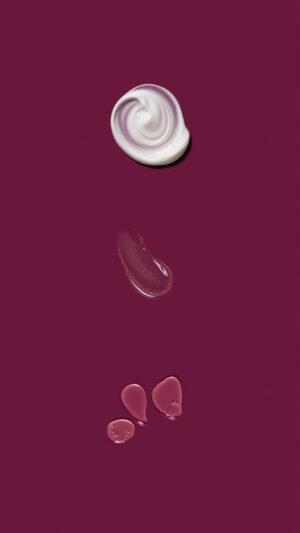
Do you also use saliva or cooking oil as a lubricant? These are some of the ingredients in Lubiosis, created as a liquid representation of what people in the Nordic countries still use as a lubricant today.
500 years after the end of the Middle Ages, things like honey, olive oil and spit are still used to reduce friction, even though today we have real lubricants. If you’re one of those people who would rather dig something out of the kitchen or bathroom cabinet instead of using real lube – then maybe it’s time to update and upgrade your sex life.
Though many people still use outdated alternatives, the use of lubricants is increasing. More people – yes, up to 7 out of 10 in the Nordic countries – have now realized how lubricants offer a much more comfortable, hygienic and safe experience. Not only in relation to mucous membranes and the bacterial flora, but also when using condoms.
Saliva – natural, but ineffective
Free, natural and close at hand – saliva tops the list across the Nordic region. However, with its watery texture that dries out quickly, you need to constantly apply more, only to achieve the illusion of increased glide that exposes the mucous membranes to abrasion.
At the same time, saliva is made up of much more than just water. Bacteria can cause urinary tract infections and digestive enzymes can disrupt the delicate vaginal flora and lead to yeast infections. Viruses can also spread through the mouth and saliva.
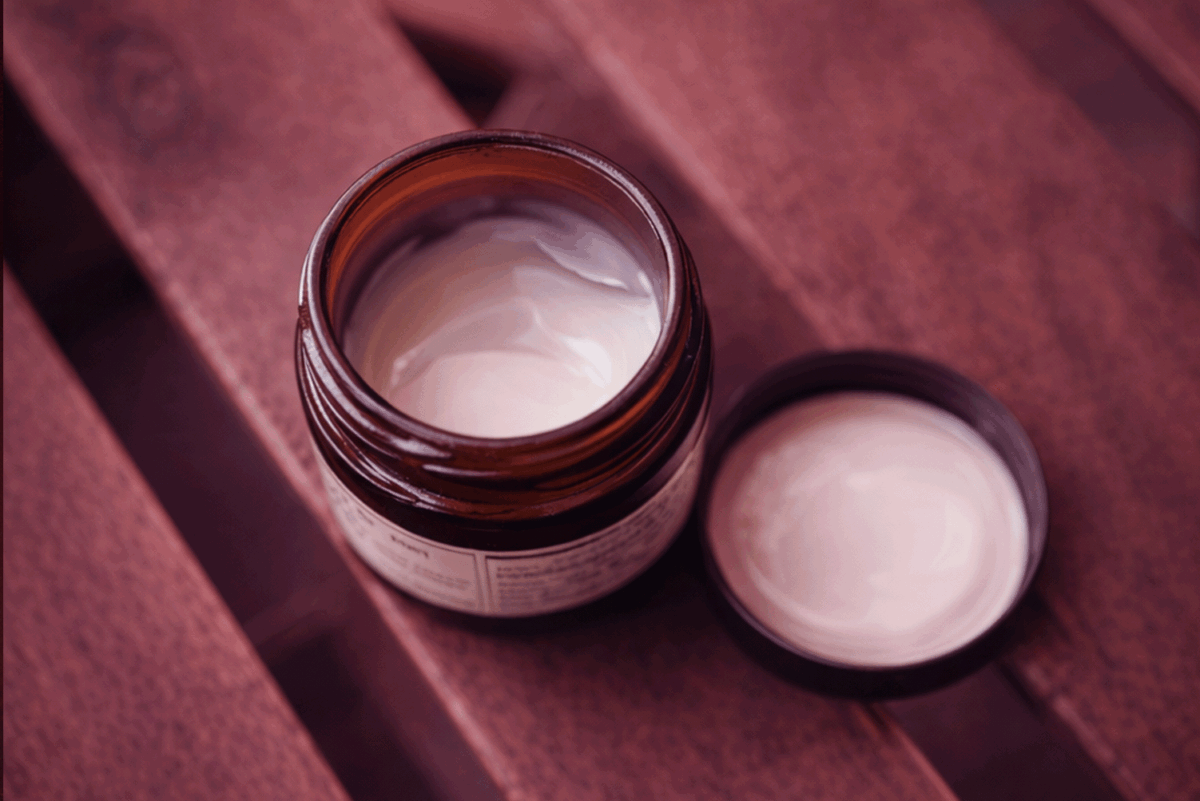
Baby oil – an okay emergency solution
If you don’t have lube, baby oil is not a bad option. But even if you don’t experience skin irritation, the fact that baby oil is not water-soluble can upset the pH balance and pave the way for bacterial infections.
The mineral oil also breaks down latex condoms and can cause them to burst – faster than you think.
Vaseline – best on the lips
As another oil-based product, Vaseline, is even more durable than baby oil and it lasts a very long time – but perhaps a little too long for the genital area. The encapsulating structure is very unnatural for sensitive parts that need to breathe for bacteria not to thrive.
In addition, it is difficult to wash off without using products that disturb the pH balance.
Lotion – for the skin, not the foreskin
Since the purpose of lotion is to be absorbed by the skin, this product has a hard time taking on the role of a lubricant.
If the skin does not suffer from irritation due to the chemical ingredients, it risks wear and tear and wounds due to the friction. If the product contains oil, it can also damage latex condoms.
Shower cream – annoyingly bad
Ruining a lovely shower bed with strong chemical substances is just unnecessary. If you don’t feel the sting in the vagina or urinary walls, you may feel the effects afterwards. Shower cream often has a different pH value than the genital area, which can cause irritation.
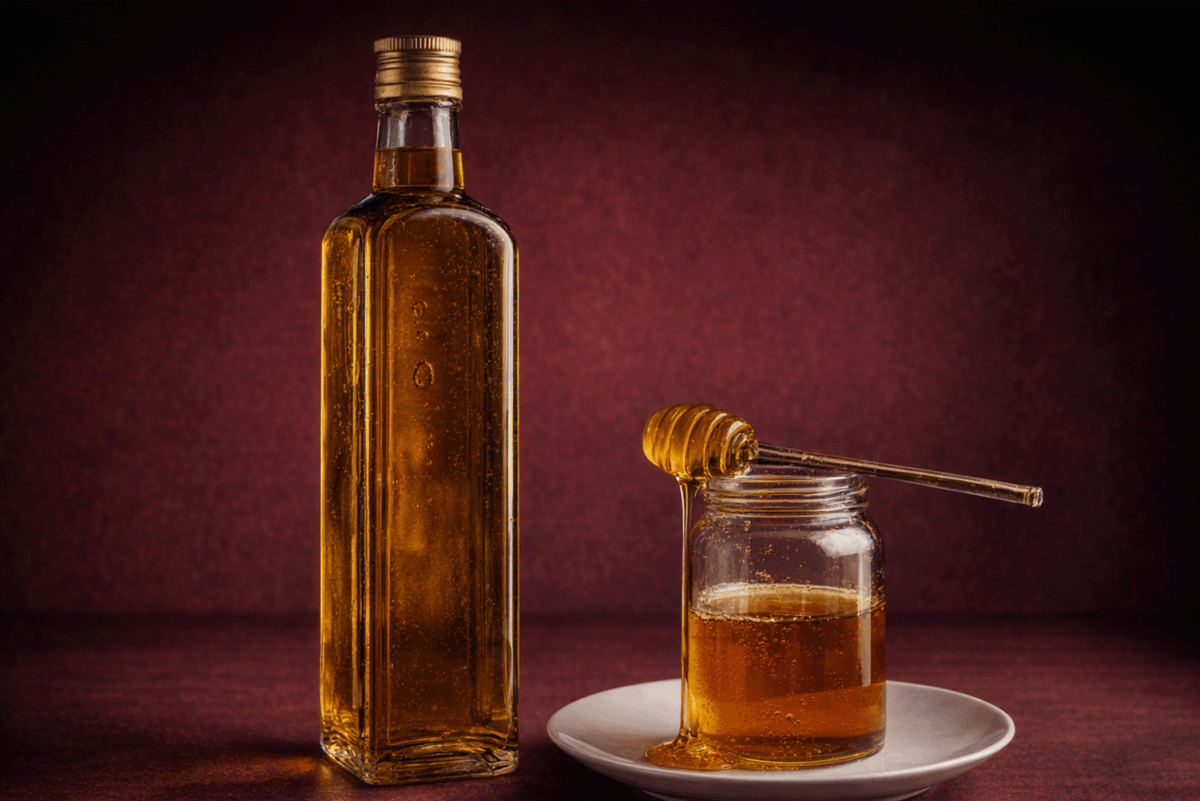
Cooking oil – best on the plate
If you can tolerate yellow stains on the sheets, then olive oil, canola and coconut oil are natural alternatives, but with the disadvantages of baby oil and petroleum jelly. Unfortunately, even pure oils can clog pores and create imbalances.
Liquid honey – good but dry
Sticky and the opposite of frictionless – with sugar that feeds yeast infections and imbalances. Honey dries quickly and loses its charm, unless it is used for oral sex. Otherwise, no.
What makes real lube so much better?
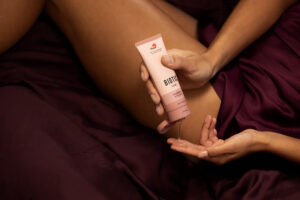
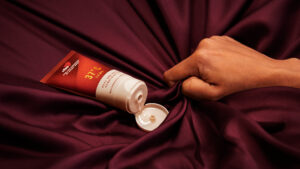
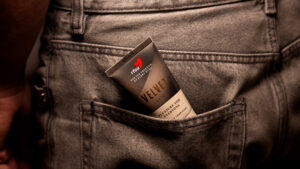
Unlike Lubiosis and all the alternatives that make up its ingredients, lube is actually created for sex and taking pleasure to new levels.
The three different types of lubricant are good in different ways for the right type of sex, but have a few things in common:
- They are gentle – or even nurturing
- They’re efficient, easy to use and easy to wash off – practical, in other words
- They’re affordable, considering how little you need to use to get the right effect.
Which one is right for you? Check out our lubricant guide!
Most common alternatives to lubricants used in the Nordics*
- 30% Saliva
- 16% Baby oil
- 14% Vaseline
- 13% Lotion
- 11% Shower gel
- 10% Cooking oil
- 5% Liquid honey
* The study is statistically validated and conducted by IPSOS on behalf of RFSU in December 2025. The study involved 2500 sexually active people aged 18-65 in Finland, Sweden, Norway, and Denmark.