How condom’s made at RFSU’s condom factory
RFSU’s condom factory distributes millions of condoms every year, using modern machinery and experienced staff. In 2025, several important investments were made to prepare the factory for the future. Here, you can take a look behind the scenes of the condom factory.
Hennan is a small village located in Hälsingland, Sweden, next to the lake of the same name and surrounded by deep spruce forests. There is no school, health clinic, or grocery store here, and the village has just over 200 residents. Yet, it boasts a unique factory where millions of condoms are tested and packaged every year. In fact, it is the only condom factory in the Nordic region.
In 2025, several important steps were taken at the condom factory to prepare for the future.
These included:
- Highly efficient machines featuring new, advanced technology.
- An interior renovation aimed at improving the work environment.
A new generation takes over at the factory
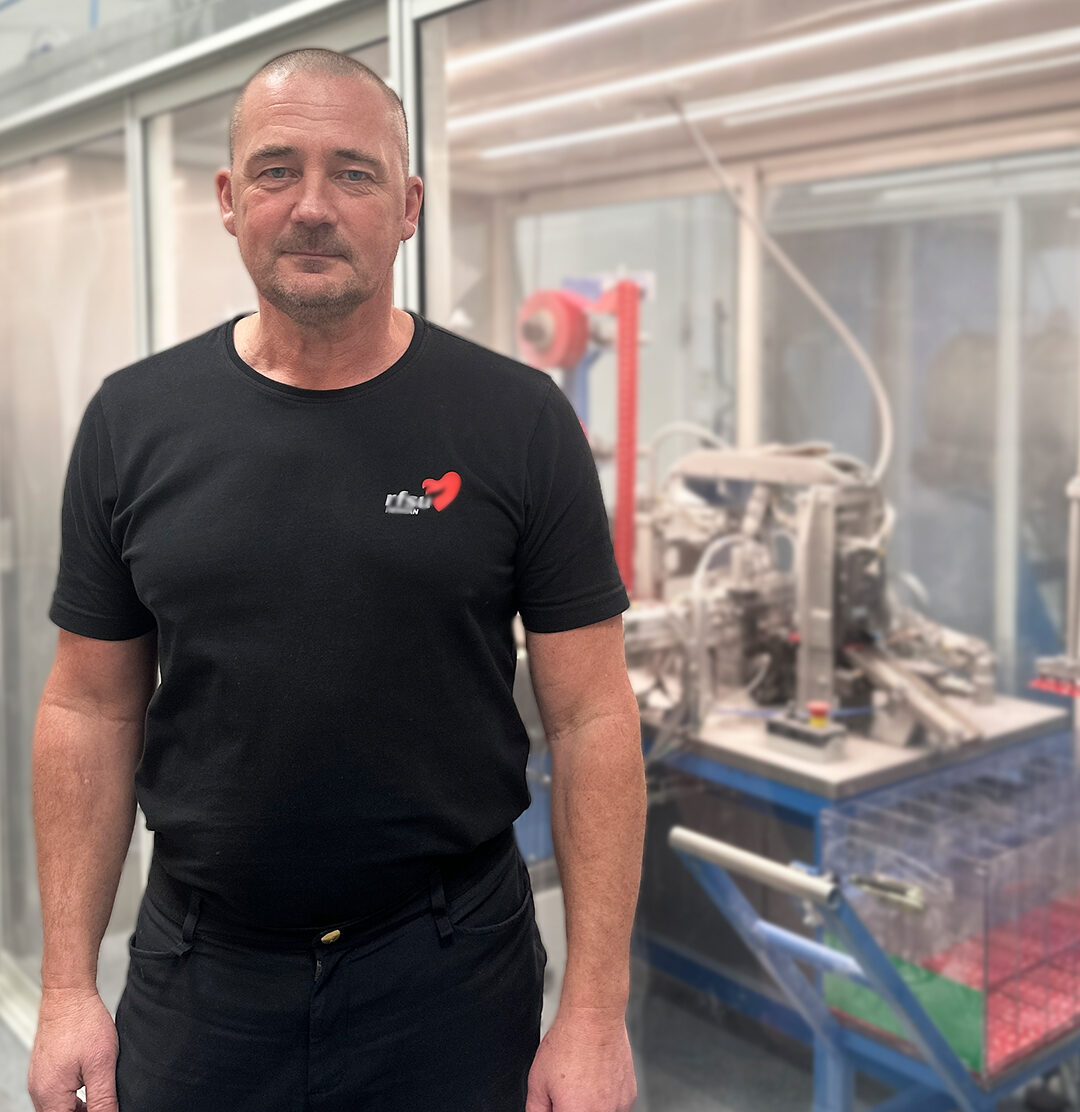
Mikael Dahlin has been the production manager at the condom factory since July 2025. He took over from Siw Strandberg, who retired after 45 years. At the same time, three other key employees retired. As a result, decades of collective experience were lost in a short period of time.
But before Mikael became production manager, he worked for just over half a year as a service technician at the factory and learned how production worked and how the machines operate. This meant he already had valuable knowledge of production before taking on the role of production manager.
“This isn’t a profession you can train for; it’s based on accumulated experience that really makes a difference,” explains Mikael. “The production chain is hard to compare to other types of manufacturing. Knowledge is built on the job and through those who’ve been here a long time sharing their experience.”
Mikael is also supported by experienced colleagues who know the business inside and out. A total of 17 employees work at the facility, which also includes warehouse staff and customer service representatives.
The customer service team consists of two employees who are well-versed in the products’ contents and how they work. They take orders and answer questions from retailers and consumers. Having the customer service team on-site in Hennan is a major advantage, according to Mikael, both for providing information to external parties and for gathering important knowledge within the company.
“Customer service has extensive product knowledge and can share valuable feedback from their contacts with the rest of us,” Mikael explains.
To further streamline and simplify the work of customer service, the company is also implementing an AI-based order processing system that converts emails, Excel files, and PDFs into completed orders in RFSU AB’s business system.

The factory’s warehouse stores all products in RFSU AB’s product line from the brands RFSU, the Finnish brand Tunto, Carmex, and Membrasin. Everything from intimate care products, food supplements, and lip balm to pregnancy tests and lubricants—and, of course, all of RFSU’s condoms, which are undoubtedly RFSU’s best-known product category. However, the raw material for the condoms is not manufactured at the factory in Hennan.
What happens at RFSU’s condom factory?
“The condoms are delivered to us untreated from selected and strictly monitored condom manufacturers in Asia. They’re made of latex, a natural material found in rubber trees that grow specifically in Asia,” Mikael explains.
When a condom shipment arrives at Hennan, the batch is quality tested and documented in accordance with guidelines from the international standard for condoms, ISO 4074. Condoms are classified as medical devices and must therefore meet the requirements of the EU’s Medical Device Regulation (MDR) to ensure safety, quality, and performance.
Inspections and quality testing
- The first thing that happens when the rubber arrives at the condom factory in Hennan is random inspections.
- Connected to the condom factory is RFSU AB’s own accredited laboratory, where every condom shipment undergoes different quality tests.
Silicone coating and packaging
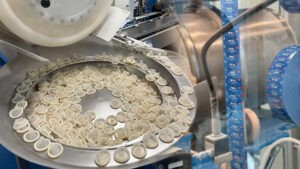
- Once the shipment has been approved by the lab, the condoms move on to be silicone-coated and packaged at the factory. Watch the video below.
- Each condom package is also labeled with a batch number, which makes it possible to quickly follow up on any complaints and ensures the necessary traceability.
All the machines that apply silicone to the condoms and package them in cellophane are housed in their own small glass enclosures.
The air pressure in the production facility is regulated to keep out unwanted particles.
“Our machines are custom-built for us and are largely automated,” says Mikael.
How condoms are treated with silicone at RFSU
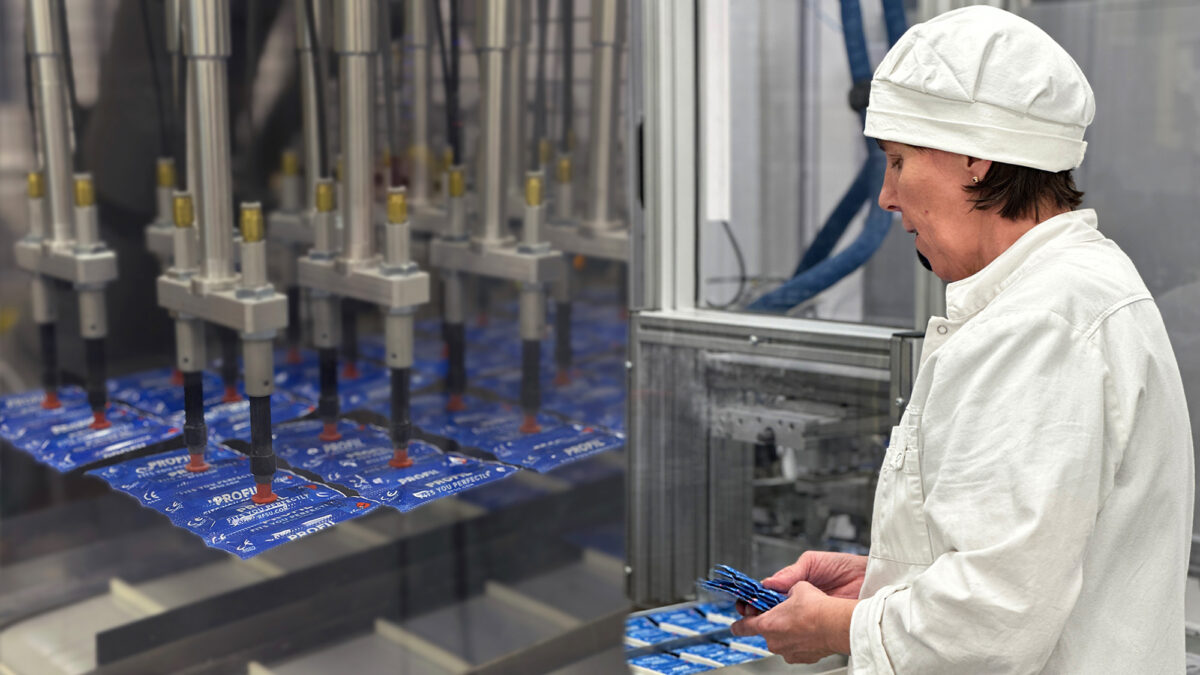
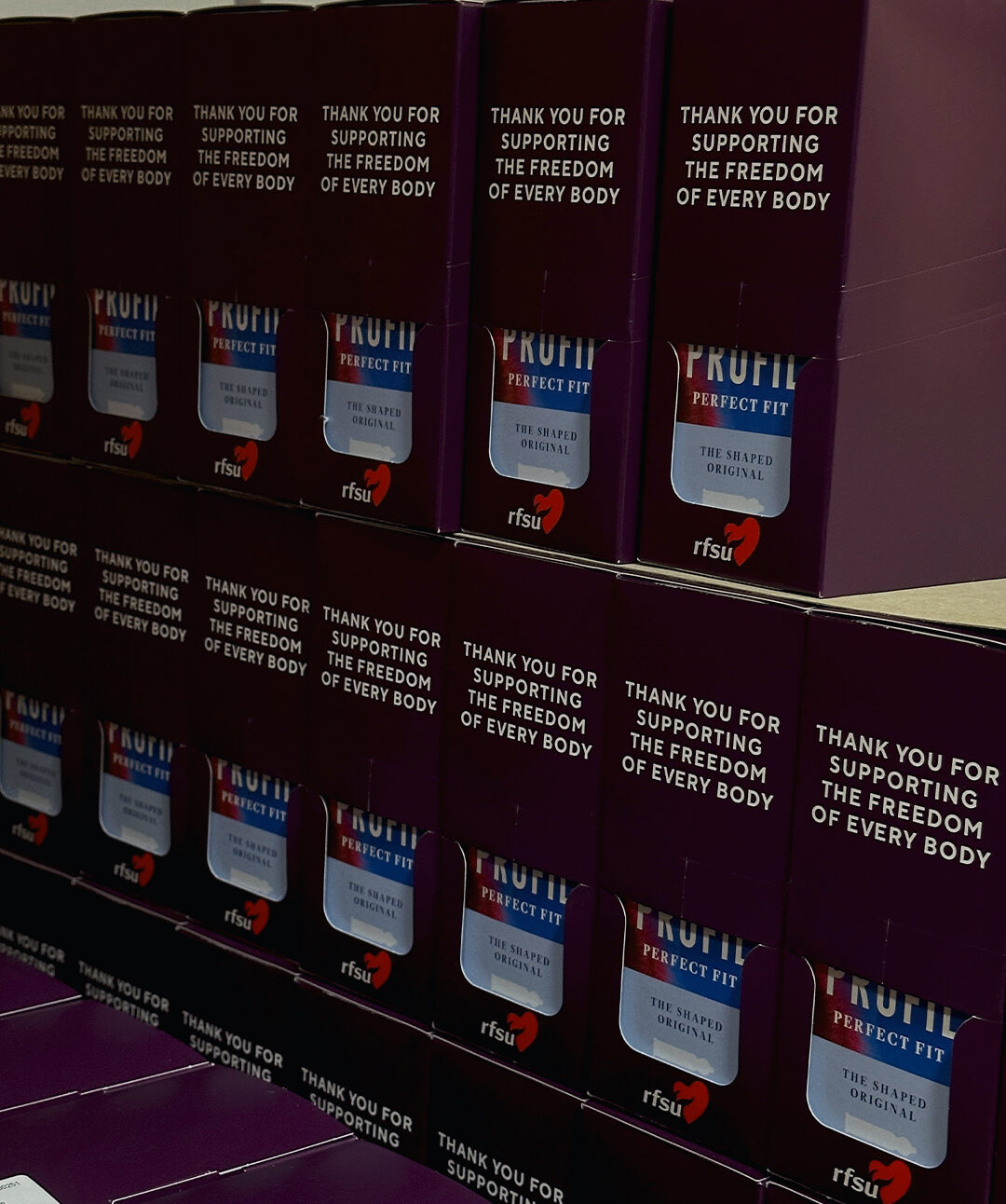
One of the newer machines working on packaging Profil condoms—RFSU’s best-seller—in strips.
“The silicone is applied as a lubricant to the condom,” explains Mikael.
Once each condom has received a drop of silicone oil, they move on through the machine, which also ensures that the condoms are sealed between two strips of cellophane, which the machine cuts into so-called “strips.”
Many condoms around the world have strips made of aluminum, but RFSU’s strips are made of cellophane, which is a more environmentally friendly material.
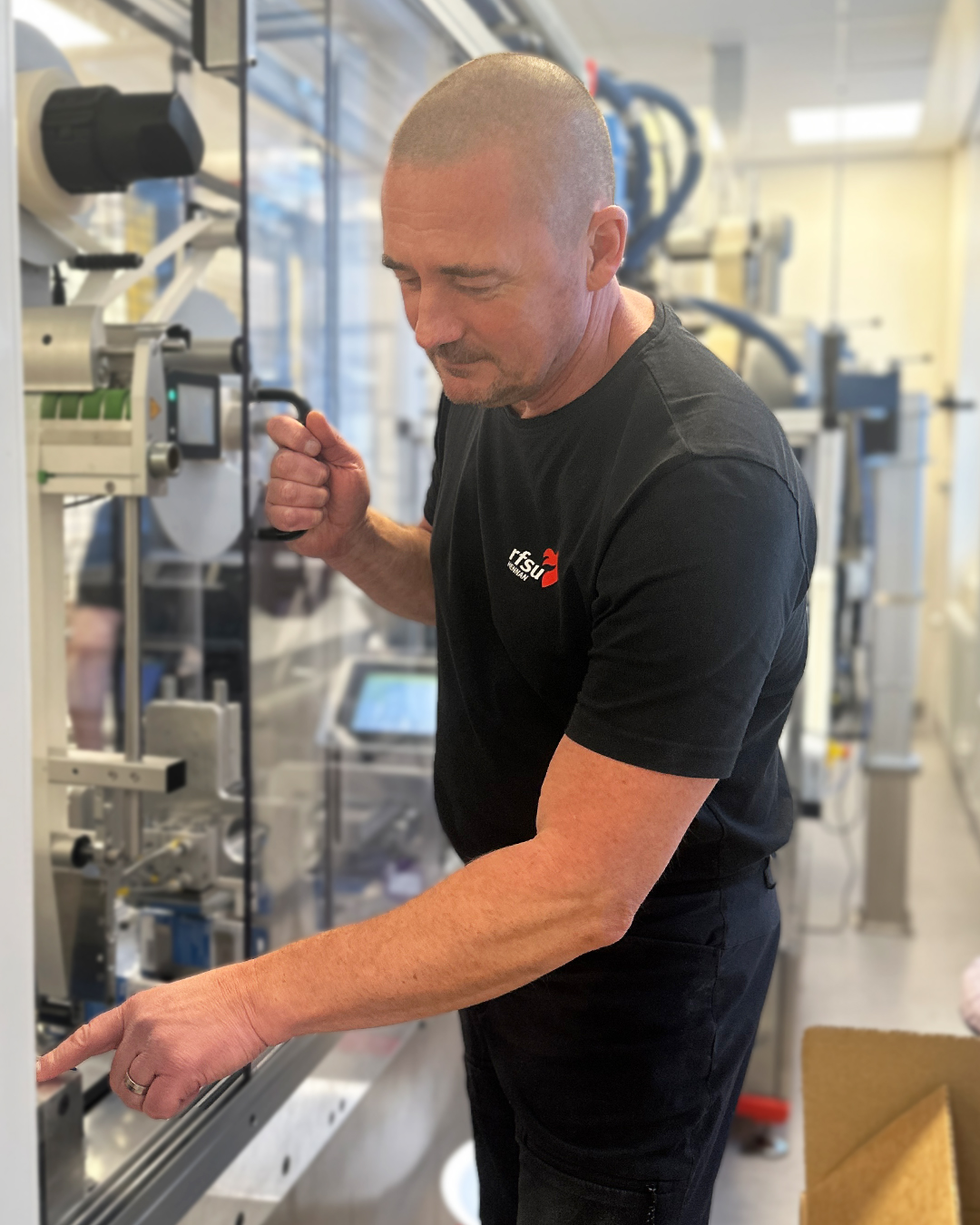
See how the condoms are cut into cellophane-strips below:

Major investment in new technology
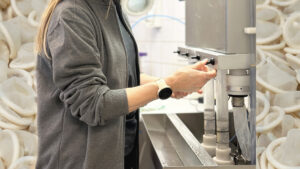
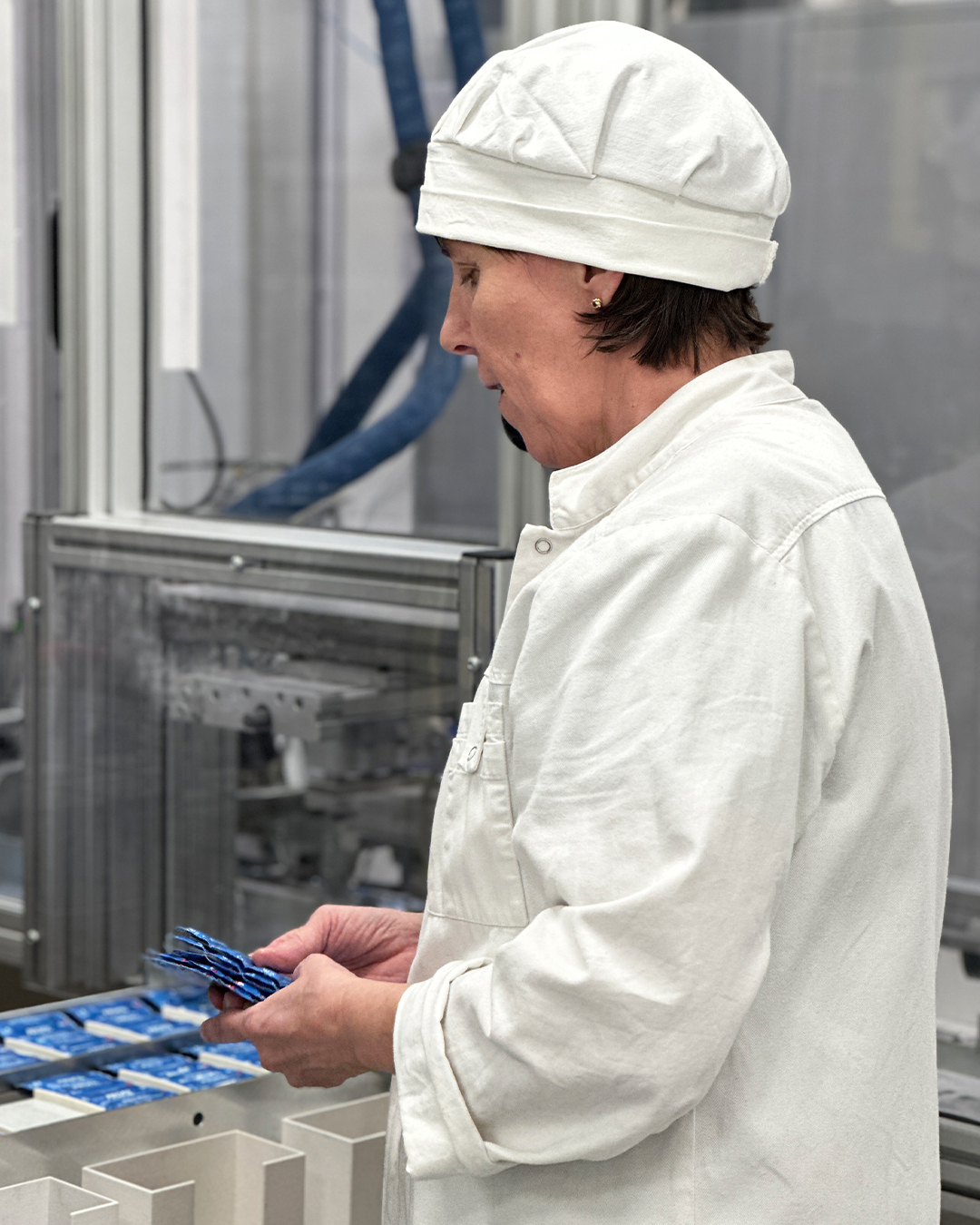
Standing by the new, modern packaging machine that places the strips into their outer packaging, experienced employee Mia checks to make sure everything is working as it should.
“It’s special to work at the only condom factory in the Nordics,” Mia says.
Mia has worked at the condom factory for 40 years and has a trained eye. She taps the large screen and enters the correct data for the Profil condoms, which come in packs of 10 and 30.
“We’re a small team here in Hennan, and the products we ship from here make a difference for people throughout the Nordic region and far beyond our borders,” says Mia.
See how the condoms are packaged below:
Sustainable and Popular Condom Packaging
The packaging machine places the strip into a thin outer wrapper made of paper.
The packaging is also known as the “wallet wrapper” because it is so thin that it can be slipped into a back pocket or purse, just like a wallet. This now-classic packaging debuted in the mid-1970s and is still used today for the majority of RFSU’s condom brands.
Read more about RFSU’s condom development.
“The packaging also has a sustainability advantage, since it takes up less space than square condom packages during transport,” explains Mikael.
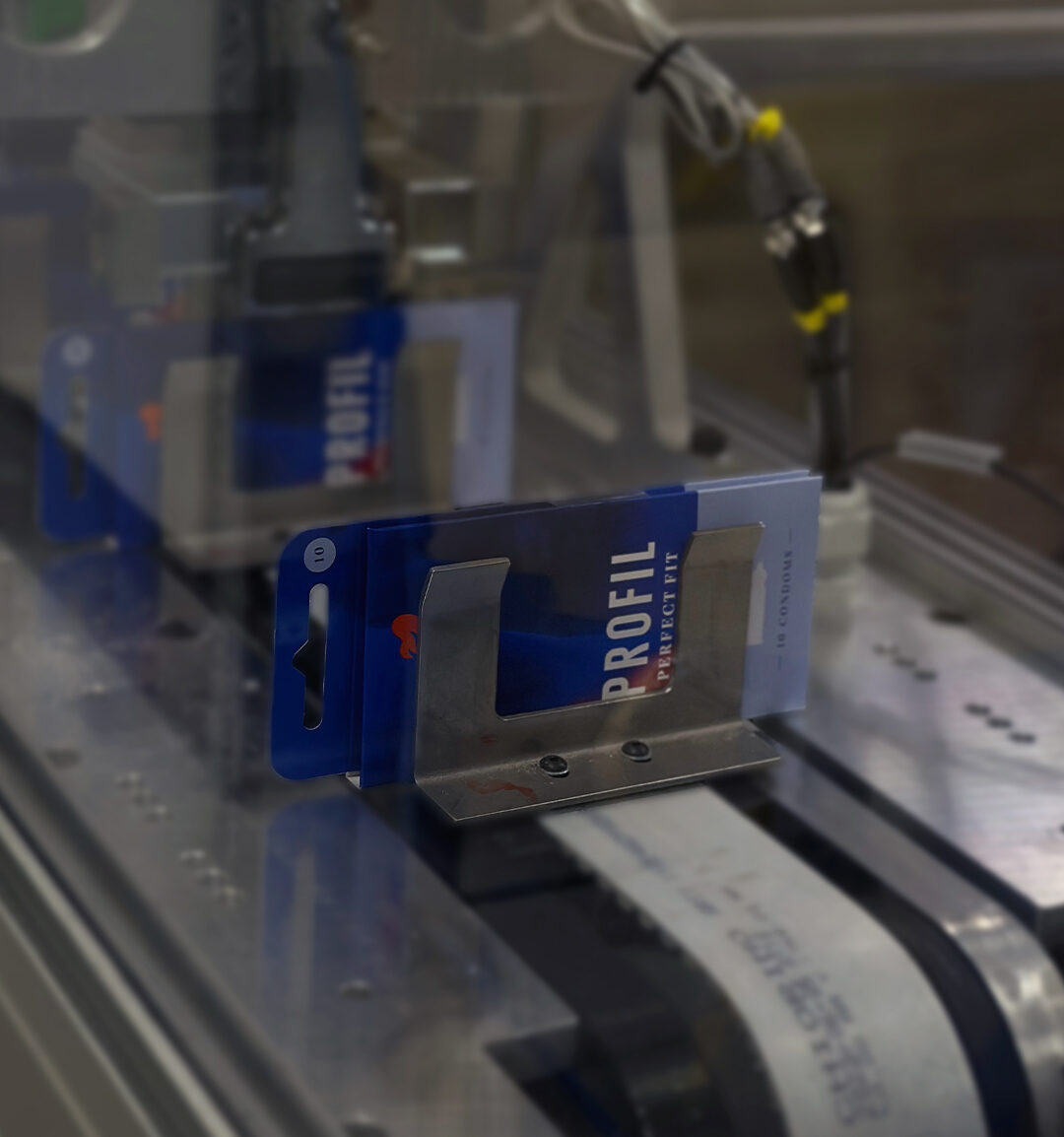
“We’ve invested about 10 million in this machine,” says Mikael. “It’s an important investment for the future. The machine features the very latest technology, which gives us greater operational reliability and easier switching between different formats, better product quality, and—not least—a better work environment for our production staff.”
The new, high-performance consumer packaging machine produces about 40 wallet-sized packages per minute.
“The new, modern technology also improves access to replacement parts and the ability to further expand production should the need arise. And now we can also use a more environmentally friendly adhesive than we did before,” says Mikael.
The packaging machine also features advanced technology. Via a digital display on the machine, staff can monitor every step of the process in real time and quickly troubleshoot if anything goes wrong.
Cellophane instead of aluminum
RFSU AB’s condom packaging incorporates several eco-friendly choices. In addition to wrapping the condoms in cellophane—rather than aluminum, as is done in the rest of the world—RFSU AB also aims to use as few types of materials as possible.
One example of this is that the plastic that previously wrapped the outer packaging of the condoms has been removed. Now there is only a small plastic label that keeps the paper packaging sealed.
“RFSU AB places a strong emphasis on sustainability, in both big and small ways. We always try to choose the most sustainable option without compromising on quality. It’s something that truly permeates our entire business,” says Mikael.
Read more about RFSU’s sustainable packaging.
A sustainable makeover for the condom factory
In 2025, the company also invested in improving the work environment at the factory, and parts of the interior were replaced.
“For example, we’ve replaced all the lighting with LED lighting throughout the entire building,” says Mikael as he opens the door to the newly renovated cafeteria, where the lunch rush is in full swing.
The factory has also previously invested in 103 solar panels on the roof, which reduce the factory’s electricity costs, in addition to geothermal heating.
Read more about RFSU’s sustainability work.
Sustainability has also been a key principle when it comes to the new interior design. An interior designer who specializes in upcycling was commissioned to give the space a facelift—while preserving its old factory feel.
“The improvements have enhanced the atmosphere and created more spaces for both scheduled and impromptu meetings. With touches that beautifully highlight the building’s history as a former school,” says Mikael.
For example, the old school kitchen has been preserved and converted into a conference room.
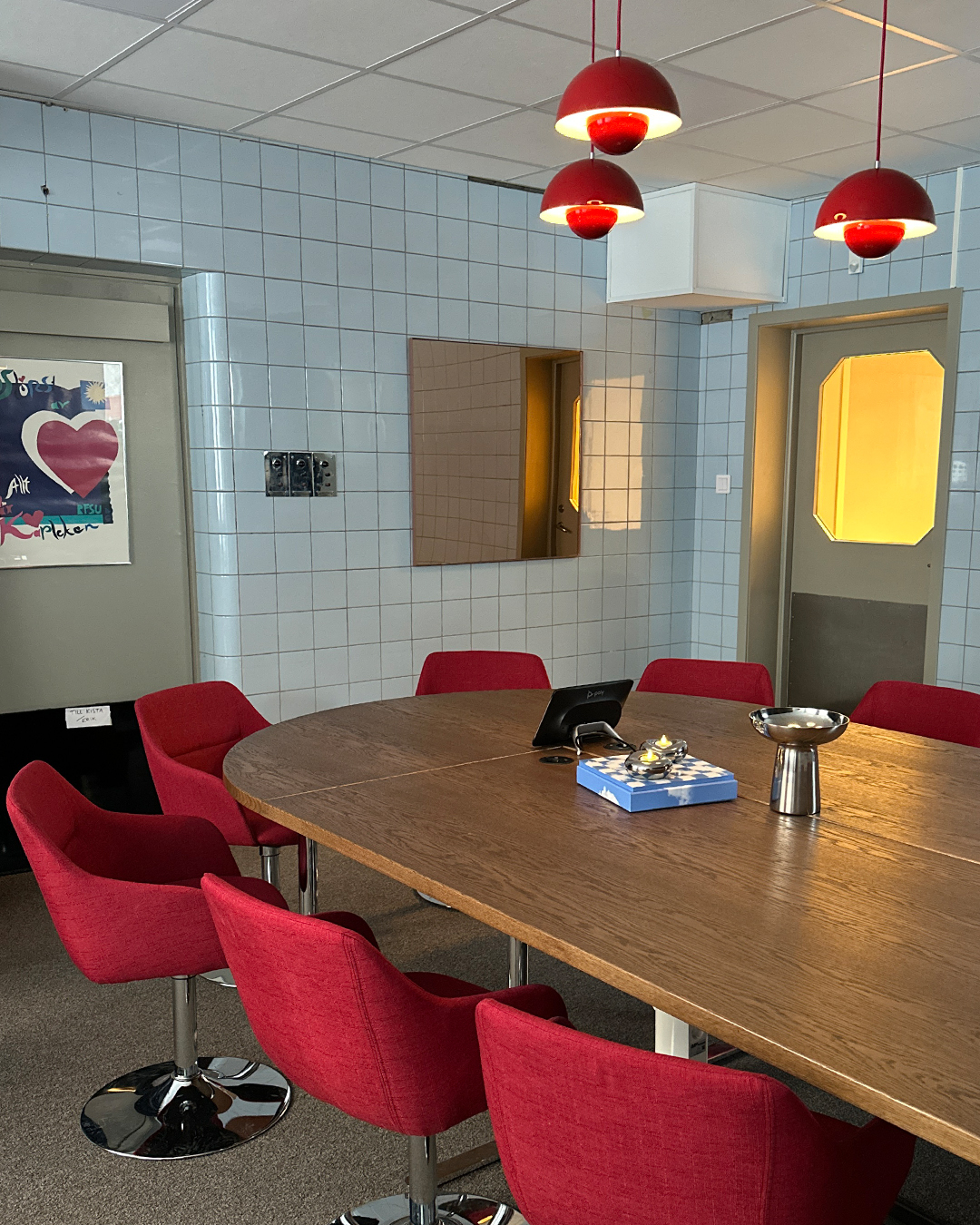
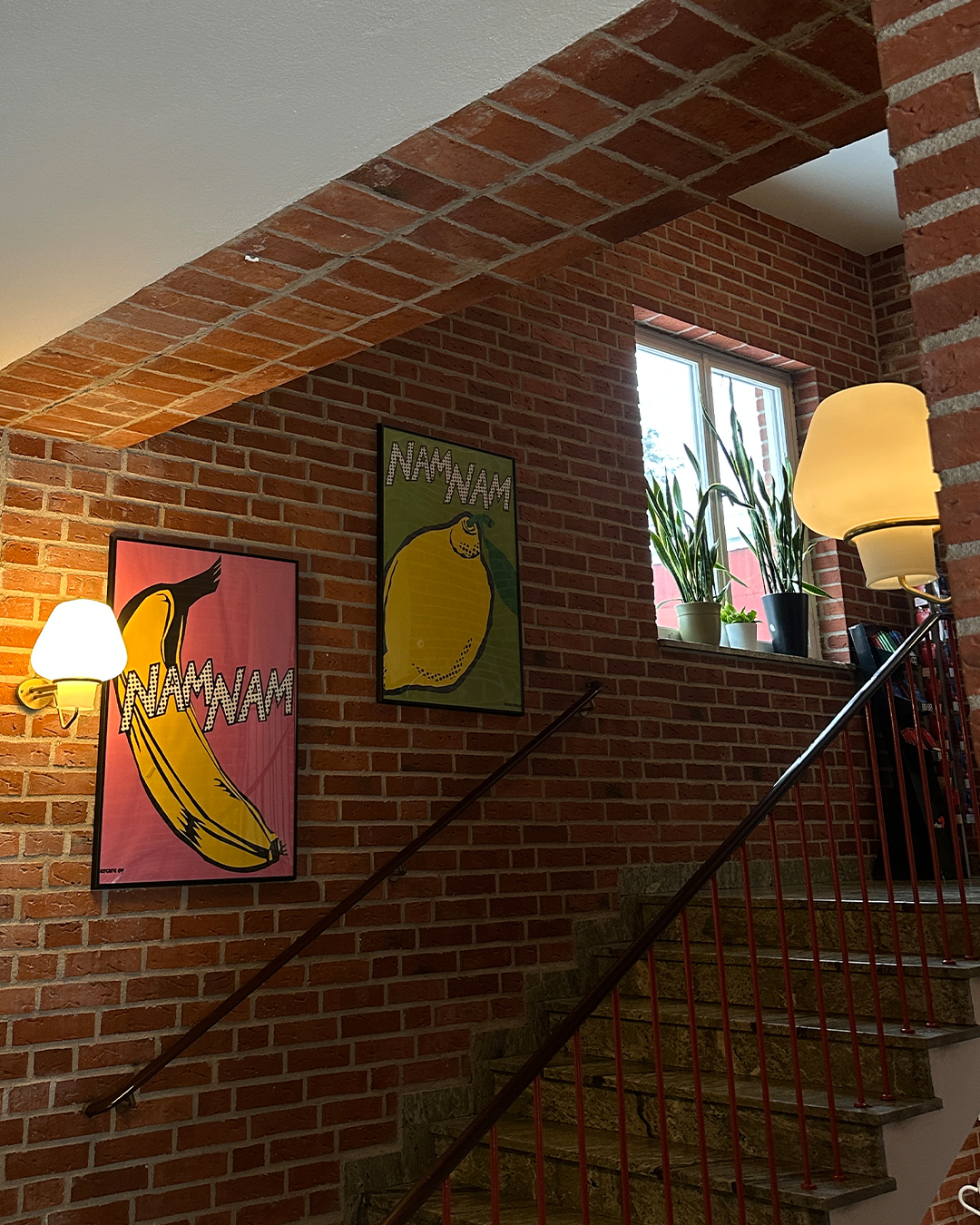
The renovation has improved the atmosphere in the facility, and employees see each other more often—either in one of the refurbished conference rooms or while relaxing on the couch in the kitchen over a cup of coffee.
For Mikael, the work environment is an important issue and an ongoing effort.
“The next step will be to review our warehouse and see what we can improve there.”

The Condom Factory’s Warehouse Is Expanding
The warehouse at the condom factory in Hennan is about 1,000 square meters in size—and the space is needed. Because even though condoms are RFSU’s best-known product, the company has around 140 products in its lineup.
Four people work in the warehouse preparing shipments to pharmacies, grocery stores, and health and beauty stores, among others.
The employees handle all raw materials and semi-finished goods used in production and are also responsible for picking, packing, and delivering approximately 30,000 order lines each year to our customers throughout the Nordic region and Europe.
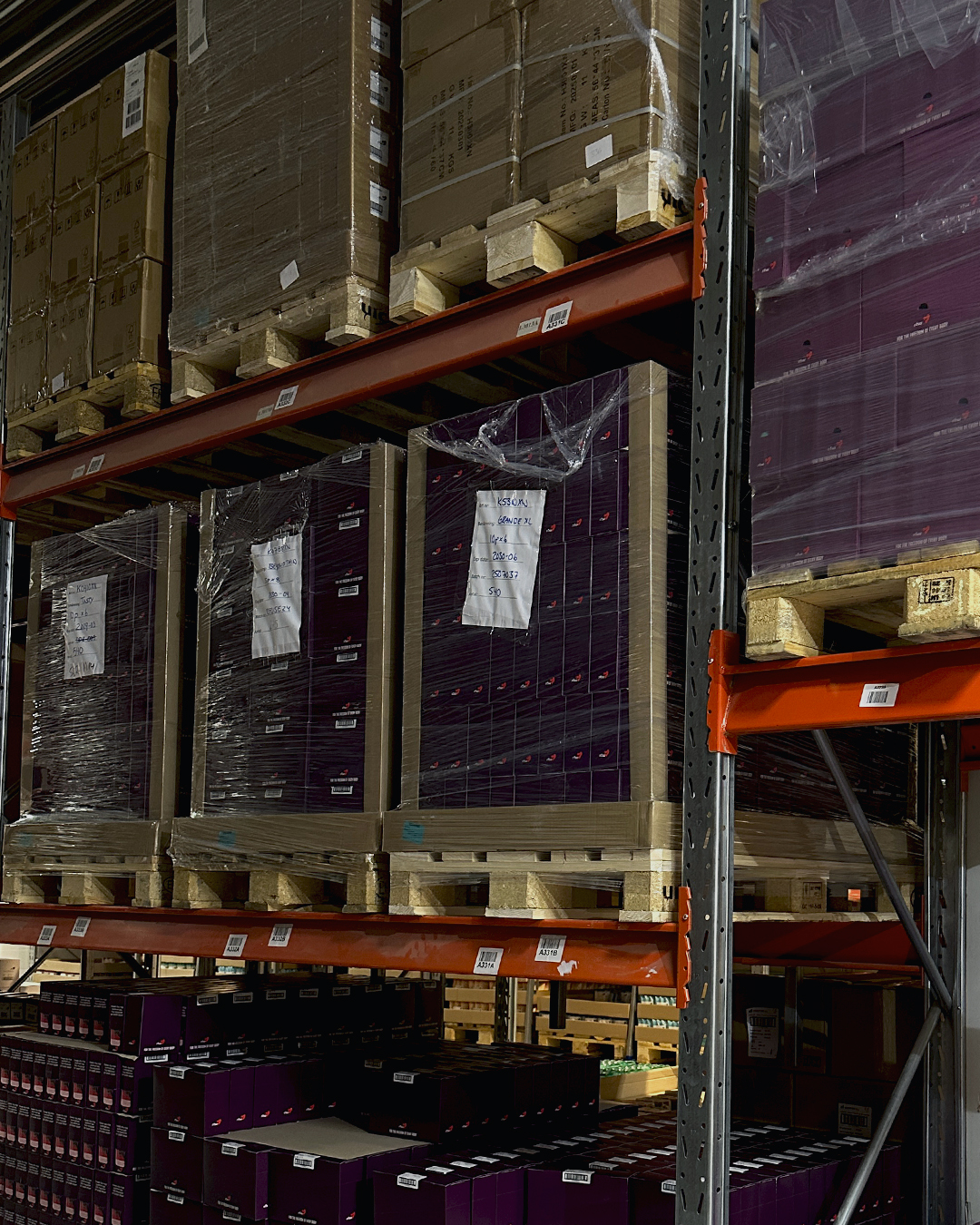
In total, RFSU’s products are available at more than 17,000 physical retail locations in the Nordic region, as well as through a large number of digital sales channels. That means a lot of shipments to prepare during a workday.
“It usually involves quite a few steps, even though we have a forklift to move the boxes around,” laughs Anna, a warehouse associate and arrival inspector. She has been with the company since 2000 and has seen the product list grow every year.
The warehouse plays a central role in ensuring high delivery accuracy and excellent service for RFSU’s customers
The factory creates work opportunities
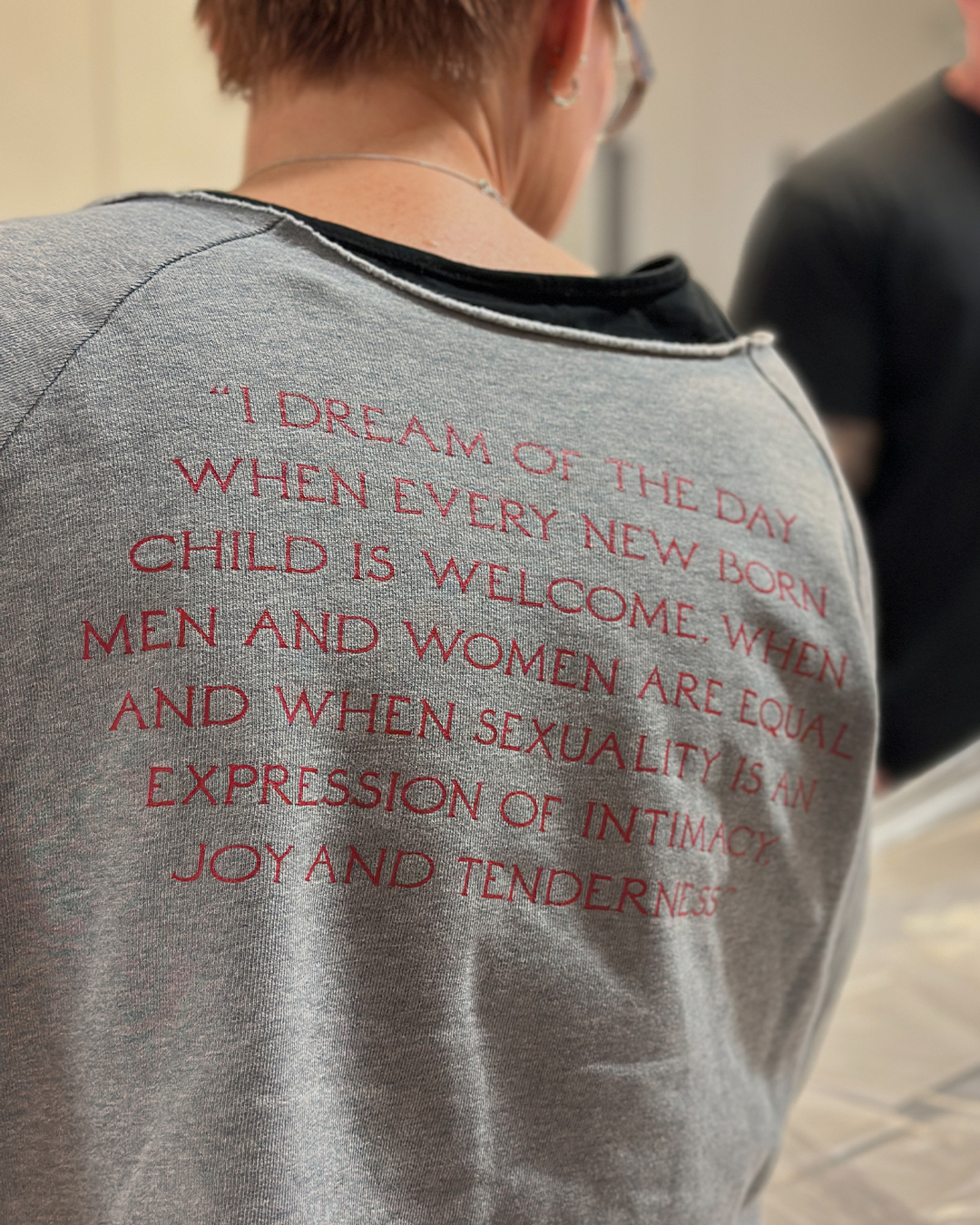
The factory in Hennan is a major employer in the local community that contributes to employment in rural areas. It does so partly through permanent jobs but also by hiring temporary staff during peak periods, with a focus on people who have had difficulty entering the job market.
In 2025, approximately 15 people were introduced to the job market through RFSU AB’s local partners.
Read more about RFSU’s business model.