


Spit, baby oil and petroleum jelly. These are the most common alternatives to lubricants used by people in the Nordics. They’re also the inspiration behind RFSU’s latest product launch, ‘Lubiosis’, a lubricant made from the substitutes people reach for when the real thing isn’t there. Its ingredients are saliva, hygiene products, cooking oil, and even liquid honey.
An April Fools’ joke? Partly. A new IPSOS study commissioned by RFSU reveals what’s really happening in Nordic bedrooms. The results show that not only are skin care and hygiene products part of Nordic people’s sex lives, but pantry staples are too. Six out of ten (62%) report having used saliva for lubrication, 37% have used baby oil, and 34% body lotion. Just over one in five (22%) have used cooking oil, while more than one in ten (13%) have even tried liquid honey.
– Lubrication is essentially a prerequisite for an enjoyable sex life, and what the survey shows is that even those who may never have tried a lubricant have often used something else to improve lubrication. At the same time, more and more people are discovering that a proper lubricant can actually lead to a more pleasurable and enjoyable sex life, not just when experiencing vaginal dryness, says Anette Otterström, Head of Brand & Communication at RFSU AB.
Based on the findings, RFSU has combined Nordics’ most common DIY lubricants into a new product: ‘Lubiosis’. The formula reflects real-world usage, ingredient by ingredient, in exact proportion. However, how Lubiosis actually performs as a lubricant will likely remain unknown – the product is not meant to be tested.
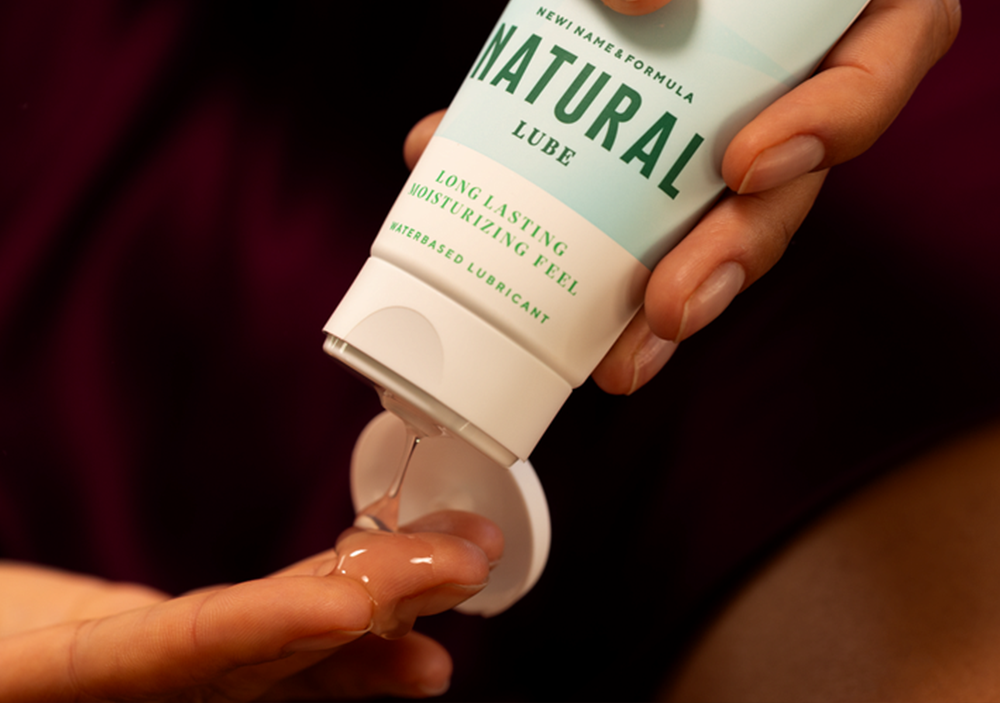
– Many alternative lubricants, such as shower gels or honey, can actually have the opposite effect and dry out mucous membranes, which can lead to irritation or yeast infections. Oil-based products, body lotion or cooking oils can also weaken condoms, increasing the risk of breakage. Saliva may work in the moment, but it dries quickly and offers limited glide. In the long run, these ‘pantry solutions’ can cost more than choosing a safe, tested lubricant from the start, says Charlotte F. Salomonsson, midwife at the RFSU Clinic.
The most common alternative lubricants in the Nordics:
Saliva: 62%
Baby oil: 37%
Body lotion: 34%
Petroleum jelly: 30%
Shower cream: 26%
Cooking oil: 22%
Liquid honey: 13%
Source: The results are based on a representative survey among sexually active people in Sweden, Norway, Finland and Denmark aged 18–65, conducted by IPSOS on behalf of RFSU. Data collection took place in December 2025.
More on Lubiosis: LUBIOSIS – a concoction of “undercover” lubricants