Why should I use a lubricant? Our expert explains
Spit, baby oil, petroleum jelly and even honey – many people come up with their own solutions instead of using lubricant. But a lot of these can irritate the mucus membranes and increase the risk of fungal infections. Which is why a proper lubricant is a safer choice.
A good lubricant is a natural part of a good sex life. But what can actually be considered a proper lubricant? Right now, coconut oil is trending on TikTok as a “natural lubricant,” and influencers are recommending their followers use it in bed. At the same time, a number of experts are cautioning that coconut oil can damage the vaginal microbiome.
But the fact is, alternative lubricants are more than just a TikTok trend.
A new study from IPSOS*, undertaken for RFSU, assesses which alternatives to lubricants are actually used in Swedish bedrooms. The results show that both the bathroom cabinet – and the pantry – are sources in the search for reducing friction.
Nearly two out of three sexually active Swedes (65%) have used saliva as lube. Most popular after saliva are baby oil (38%) and petroleum jelly (30%). Around every fifth person (21%) has at some point used cooking oil, and every tenth person (11%) has even tested liquid honey.
Studies show that people who have never used lubricants at all have often tested other ways to reduce friction, for example through different improvised solutions. At the same time, more people than ever are discovering that a specially formulated lubricant can contribute to a more satisfying sex life – not just in the case of dry mucous membranes but also to increase comfort and reduce friction.
* The results are based on a representative study among sexually active Swedes ages 18-65 conducted by IPSOS for RFSU. The data was collected in December 2025.
"The problems that can arise after using different ‘kitchen lubes’ can be more costly than investing in a reliable, tested lubricant from the start" Charlotte F. Salomonsson, midwife at the RFSU Clinic
The wrong lubricant can irritate
Many of the most common home alternatives are also less appropriate than a proper lubricant. Products such as shower gel or honey can irritate or dry out mucous membranes and in some cases increase the risk for fungal infections, for example. Furthermore, oil-based products such as skin lotion or oil can reduce the durability of latex condoms, which increases the risk of the condom breaking.
“Saliva can work sometimes as a lubricant, but it doesn’t offer very smooth lubrication and dries out quickly. Over time, the problems that can arise after using different ‘kitchen lubes’ can be more costly than investing in a reliable, tested lubricant from the start,” says Charlotte F. Salomonsson, midwife at the RFSU Clinic.
But if you’ve never tried a lubricant, it can be difficult to know which one to choose from among the selection available on the market. So how do you make the right choice in the lube jungle?
How do I choose the right lubricant?
Which lubricant you prefer is a matter of choice. Just like there are many reasons why you want to use a lubricant in the first place. Many think that sex is more enjoyable with a lubricant. Others find it good for reducing friction when you have sex, for example if someone has difficult becoming wet naturally. Others want to add moisture, for example if they have dry mucous membranes. Others like having lube on hand for using with sex toys. Still others think lube is helpful when inserting a tampon.
Regardless of need, you should choose a lubricant that you like and that serves your needs. A good tip is to try out different types – and read which lubricant provides what effect. It’s a good way to figure out which lubricant works best for you and the type of sex you are having. You can find our lubricant guide here.
RFSU has three different categories of lubricant
- Water-based lubricant, which provides both a smooth lubrication and a moisturizing feeling. With a water-based lube, you maintain a natural friction, but the smooth lubrication doesn’t last as long as with a silicon-based lube. So some may need to apply more lube after a while.
- Silicon-based lubricant. which offers a silky feeling and lots of protective lubrication. A silicon-based lube feels less wet than a water-based lube, is more robust and has a longer-lasting lubricating effect.
- Hybrid lubricant, which has a combination of water and silicon base.
There are also lubricants for special purposes. There are even lubricants that contain prebiotics and aloe vera, which help maintain a healthy vaginal microbiome and have a soothing effect. Read our guide on the contents of different lubricants and what the different ingredients offer.
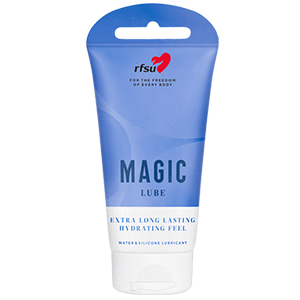
RFSU Magic Lube – where pleasure and care meet
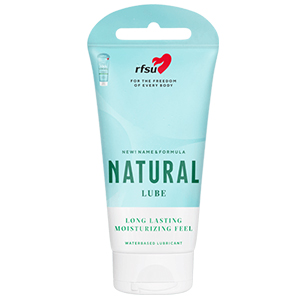
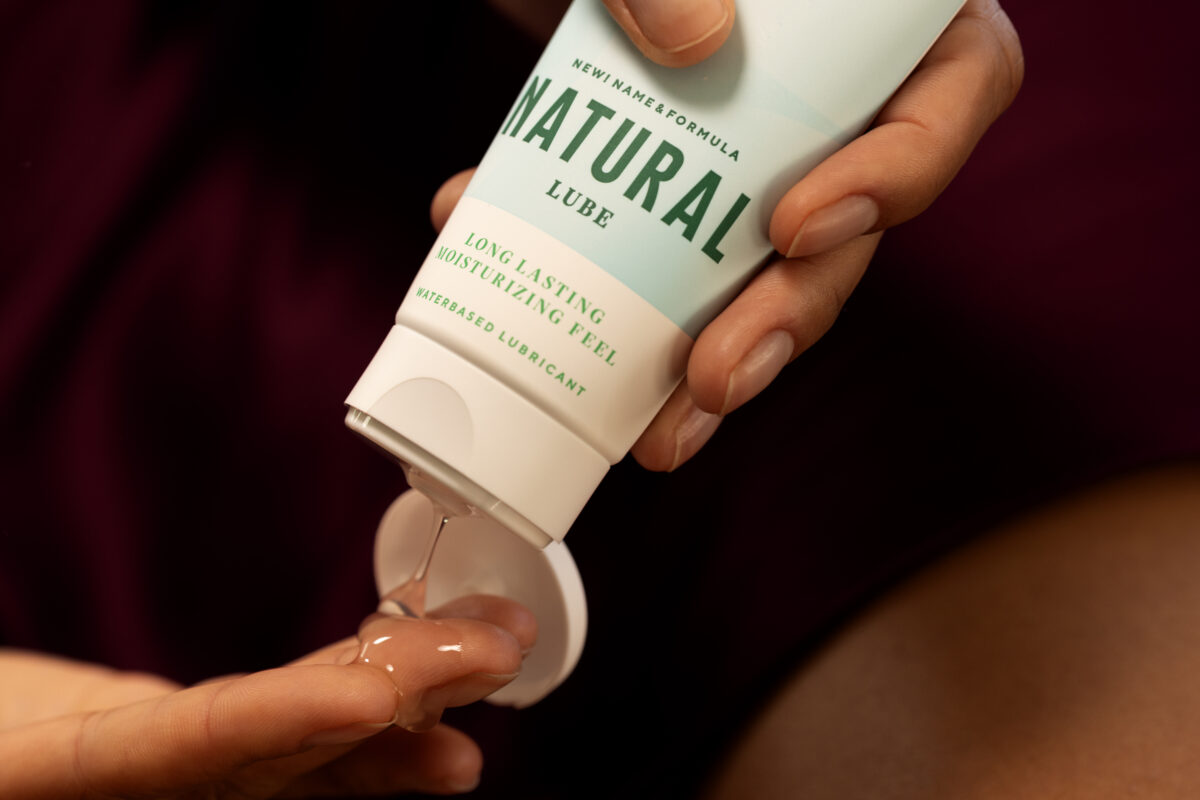
RFSU Natural Lube – soft, gentle and naturally feeling lubricant
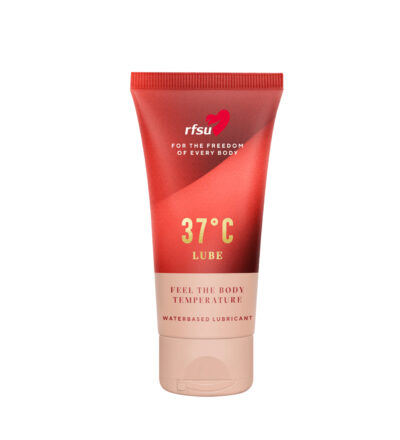
RFSU 37°C Lube – a natural water-based lubricant
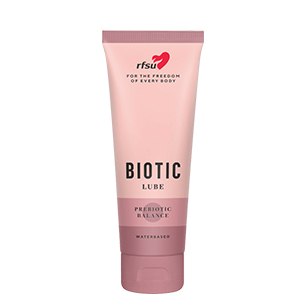
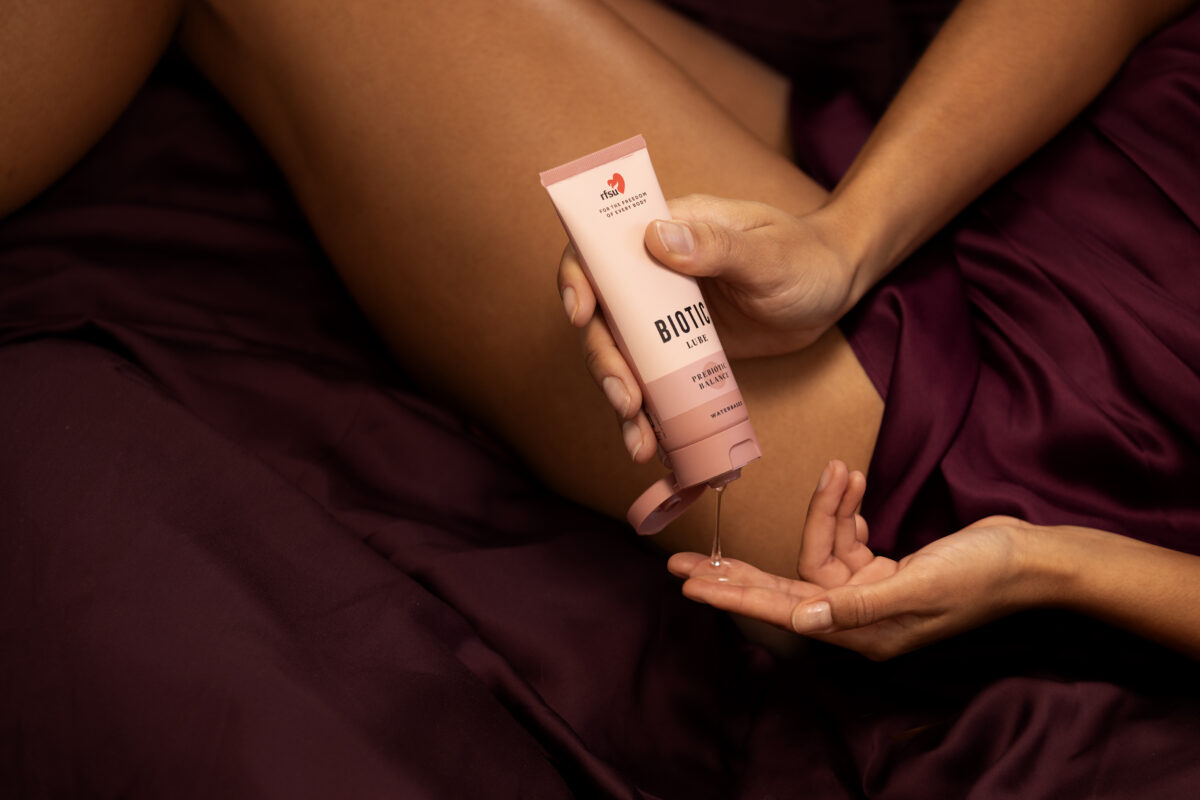
RFSU Biotic Lube – lubricant with prebiotics and aloe vera
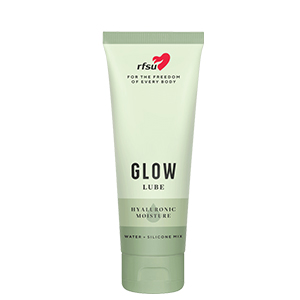
RFSU Glow Lube – luxurious skin-nourishing lubricant
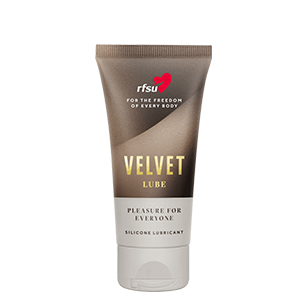
RFSU Velvet Lube – for a silky-smooth sensation that lasts
Six commonly asked questions about lubricants
Can you use any kind of lubricant with condoms?
Both silicon-based and water-based lubricants are safe to use with latex and plastic (polyurethane/polyisoprene) condoms.
Are there any risks associated with lubricants if you’re trying to get pregnant?
If you’re trying to get pregnant, you want the most natural environment as possible for the sperm. Ideally, you should avoid anything that affects the pH balance or can make it more difficult for sperm to move or get where they need to go. So avoid using any sort of lubricant, but if you really need it in order to have actual sex, it’s better to use a lubricant than nothing at all. In such cases, water-based lubricants are best, for example Natural Lube.
Glycerin is a common ingredient in lubricants, can it cause fungal infections?
It’s true that glycerin is a common ingredient in lubricants. It is used for its emollient qualities. To maintain the natural microbiome of the genital area and discourage imbalances, pH levels are often lowered in the lubricant. This is done by using ingredients such as lactic or citric acid. There are even lubricants that contain prebiotics and aloe vera, which help maintain a healthy vaginal microbiome and have a nurturing effect.
Which lubricant works best with sex toys?
Be careful when using silicon-based lubricants together with sex toys made of, for example, silicon and so-called CyberSkin, since it can damage the material. Water-based lubricants, however, can be used with all types of sex toys without damaging sensitive surfaces.
Lubricants feel cold to me, is there anything to counteract this?
There are lubricants that provide a warm, body-like feeling, for example RFSU 37°C Lube. It’s a water-based lubricant with a balanced combination of glycerin and propylene glycol that offers a soft, moisturizing lubrication that lasts a long time without getting sticky. When the formula comes in contact with skin, it warms up to body temperature.
Which lubricant works best for anal sex?
During anal sex, it’s especially important to use a lubricant. Unlike the vagina, the rectum has no natural lubrication, which means a lubricant is necessary for reasons of both comfort and to reduce friction. For anal sex, a silicon-based lubricant is recommended as it provides extra protection and a long-lasting, silky lubrication.