What are the ingredients in lubricants – and what do they do?
Lubricants are formulated to simulate natural body fluids, serve as emollients and reduce friction. But which ingredients actually do the work? In this article, we explain everything you need to know about what lubricants contain and how they work.
Which lubricant you prefer is a matter of choice. Just like there are many reasons why you want to use a lubricant in the first place. Many think that sex is more enjoyable with a lubricant. Others find it good for reducing friction when you have sex, for example if someone has difficulty becoming wet naturally. Others want to add moisture, for example if they have dry mucous membranes. Still others like having lube on hand for using with sex toys.
Regardless of need, you should choose a lubricant that you like. A good tip is to try out different types of lube! But before doing so, it can be good to know the differences between lubricants and which ingredients will work best for your needs. Not to mention which lubricants work best for the situation in which you will be using them.
A lubricant can contain a number of different ingredients. But the different varieties are usually divided into three groups: water- or silicon-based lubricants, or hybrid lubricants.
There are lubricants that are 100 percent vegan. Look for certification from “The Vegan Society.” Pär Svahnberg, Chemist and CFO at Toxintelligence
What are the ingredients in water-based lubricants?
Water-based lubricants offer both a nice lubricating effect and a moisturizing sensation. These lubricants often contain different types of natural carbohydrates to provide smooth lubrication. For example, acacia senegal gum, a natural raw material extracted from trees; hydroxypropyl guar gum, which comes from the guar plant; and sodium hyaluronate, a natural substance found as well in our own bodies.
Remember!
The lubricating effect doesn’t last as long as it does with silicon-based lubricants. So you may need to apply more lube after a while.
What are the ingredients in silicon-based lubricants?
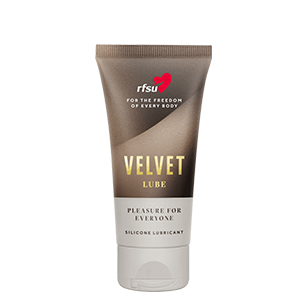
Silicon-based lubricants contain among other things, as the name implies, silicon. This provides a silky feeling and lots of protective lubrication. Silicon (or silicon oil) is manufactured chemically from silicon dioxide and grains of sand, which are natural ingredients found in abundance on our planet. A silicon-based lube feels less wet than a water-based lube and is more robust than a water-based lube. It also provides a more long-lasting lubrication since silicon oil doesn’t evaporate the way the water does in water-based lube.
Good to know!
Silicon-based lubricants can be safely used with both latex and plastic (polyurethane/polyisoprene) condoms. However, you should be careful when using silicon-based lube with sex toys made of silicon or so-called CyberSkin, since the lube can damage the material.
What are the ingredients in hybrid lubricants (and what are hybrid lubricants)?
Hybrid lubricants are lubricants that contain a mix of water and silicon. This type of lube offers the same long-lasting lubrication of a silicon-based lube, together with the moisturizing character of a water-based lube. They offer a feeling that combines silkiness with moisturization.
A tip!
The combination of water and silicon has an emollient effect and is recommended particularly for those with sensitive and dry mucous membranes.
Ingredients in lubricants – common questions
Which ingredients should I look for if I want a moisturizing and emollient effect?
Two ingredients providing emollient qualities that are commonly found in lubricants are shea butter and hyaluronic acid. One ingredient with an emollient effect that is commonly found in skincare products and lubricants is glycerin.
What is added to lubricants to ensure the pH balance of the body isn’t disturbed?
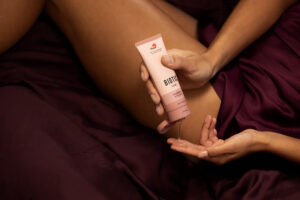
To ensure the natural microbiome of the genital area and prevent imbalances, the pH balance of these products is often reduced. This is done with ingredients such as lactic or citric acid. Citric acid is also an emollient. There are also lubricants that contain prebiotics and aloe vera, which help maintain a healthy microbiome and have a nurturing affect.
Do lubricants contain preservatives?
Water-based lubricants contain preservatives to ensure the product can sit on the store shelf without going bad. Preservatives inhibit the spread of harmful bacteria on the skin or mucous membranes and ensure that the lubricant maintains its consistency, scent and effect throughout its shelf life. Silicon-based lubricants don’t need preservatives – since they contain no water, the oil functions as protection against bacteria.
Can you use lubricants during oral sex?
Yes, you can. The ingredients RFSU uses in its lubricants are harmless to consume orally, but we recommend most a water-based lubricant without silicon for oral sex. If you want your lube to add that extra something during oral sex, there are also flavored and scented lubricants.
I’m vegan, which lubricant should I use?
There are lubricants that are 100 percent vegan. Look for certification from “The Vegan Society.”
Lubricants feel cold to me, is there anything to counteract this?
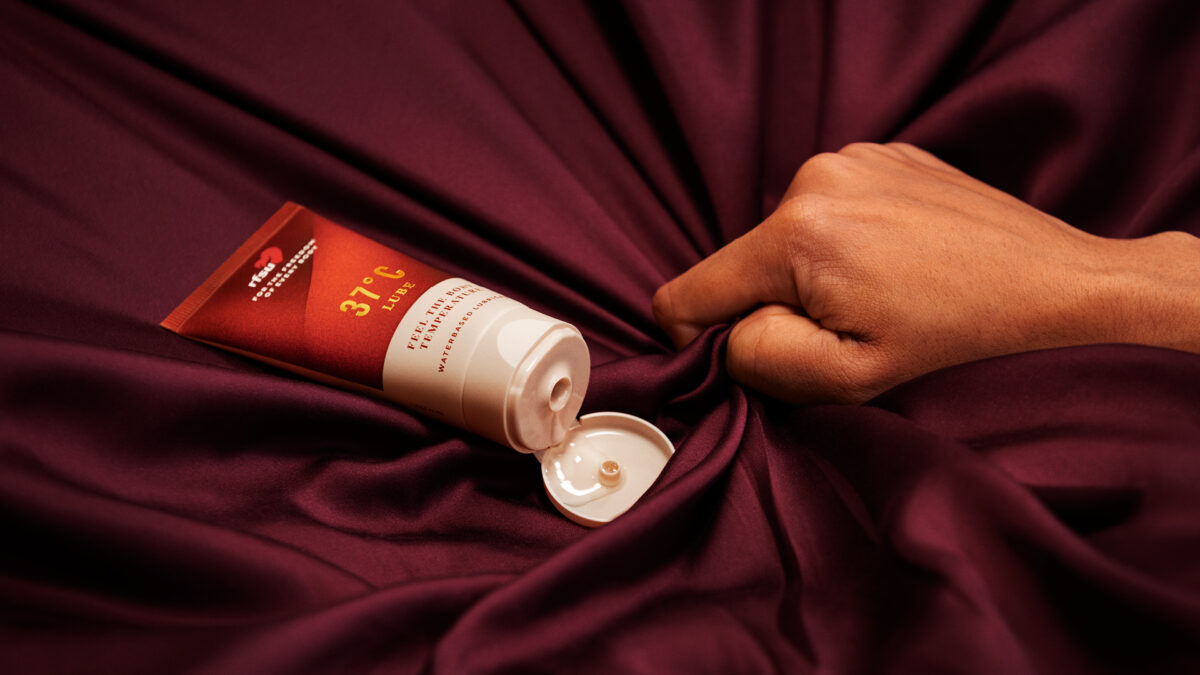
There are lubricants that provide a warm, body-like feeling, for example RFSU 37°C Lube. It’s a water-based lubricant with a balanced combination of glycerin and propylene glycol that offers a soft, moisturizing lubrication that lasts a long time without getting sticky. When the formula comes in contact with skin, it warms up to body temperature.
Source: Pär Svahnberg, Chemist and CFO at Toxintelligence, with a PhD in organic chemistry.
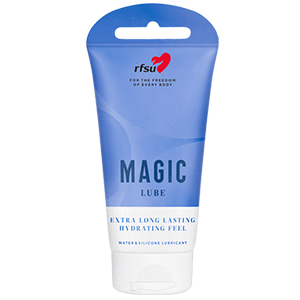
RFSU Magic Lube – where pleasure and care meet
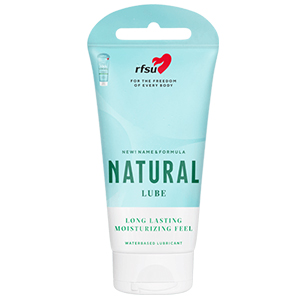
RFSU Natural Lube – soft, gentle and naturally feeling lubricant
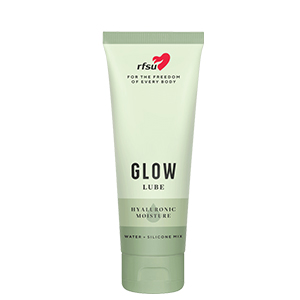
RFSU Glow Lube – luxurious skin-nourishing lubricant
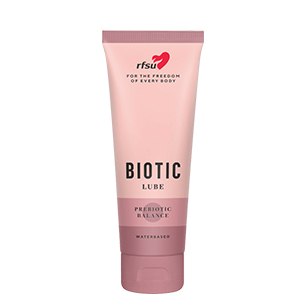
RFSU Biotic Lube – lubricant with prebiotics and aloe vera
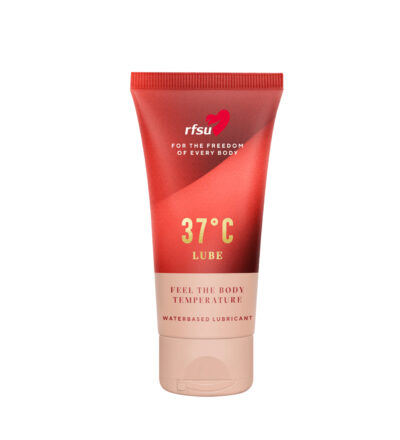
RFSU 37°C Lube – a natural water-based lubricant