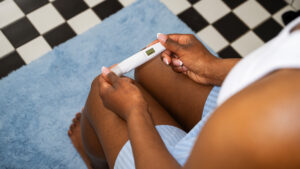
Becoming pregnant after birth control – how it works
Switching from using birth control to trying to get pregnant often raises questions such as: “How long does it take before the body is ready to become pregnant?” The answer varies depending on the type of contraceptive you’ve used and how your individual body responds once the hormones leave your system. In this text, we explain how it works!
Stopping Birth Control – what happens next
When you stop using hormonal contraception, your body begins a recovery process. While you’ve been using birth control, your natural hormone cycles have been either suppressed or altered. Once you stop, your body needs time to return to its own natural rhythm.
During the first few weeks, several things happen at the same time. Hormone levels begin to normalize, and ovulation may restart – although the timing varies greatly depending on the method you’ve used. It’s common for your period to be irregular at first, but fertility can actually return faster than many expect.
Many people notice that their period becomes heavier or more unpredictable during the first few months after stopping birth control. This is completely normal and a sign that your body is working to restore balance.
How quickly can you get pregnant after stopping birth control?
The time it takes before you can get pregnant again varies greatly depending on which contraceptive method you’ve been using. Here we explain the most common options:
Getting pregnant after the pill
- The pill is one of the contraceptive methods where fertility can return quickly. Ovulation can start again as early as the first cycle after stopping the pill. It’s a common misconception that you need to wait several months – you can start trying right away if you feel ready.
- In practice, your period usually returns within 2–8 weeks after stopping, and fertility typically returns within 1–3 months.
- Research shows that around 80% of women become pregnant within one year after stopping the pill.
Getting pregnant after the vaginal ring
- The vaginal ring works in a similar way to the pill, and fertility can return quickly after discontinuing its use.
- Periods usually return within 2–6 weeks, and ovulation may start again during the first or second month.
Getting pregnant after the implant
- A contraceptive implant contains the same type of hormone as the injection, but in a lower dose. Once it is removed, the hormones leave your system fairly quickly, allowing fertility to return relatively fast.
- Your period often returns within 3–6 weeks after removal, and ovulation can resume as early as the first month. Many people become pregnant within 3–6 months after removal.
Getting pregnant after an IUD
- Hormonal IUD: With a hormonal IUD, fertility usually returns within 1–3 months after removal. Because the IUD works locally in the uterus and uses low hormone levels, most people recover quickly. Periods may be irregular during the first month, but fertility typically normalizes within 1–4 months.
- Copper IUD: A copper IUD does not affect hormone levels at all. This means fertility returns immediately after removal. You can get pregnant the very same month, and your cycle continues as normal from day one.
Factors that influence how quickly you can get pregnant
Several factors affect how quickly your body recovers after stopping birth control:
- Age influences fertility in general. Women under 30 tend to recover more quickly after stopping birth control, while it may take a bit longer after age 35 for hormones to rebalance.
- How long you’ve used birth control can also matter. Long-term use may sometimes slightly prolong the adjustment period, while shorter use often leads to a quicker recovery.
- Your natural cycle before using birth control is also relevant. If you had irregular periods before starting birth control, it’s more likely that irregular cycles will return afterward. If your cycles were regular, they usually return to their typical pattern.
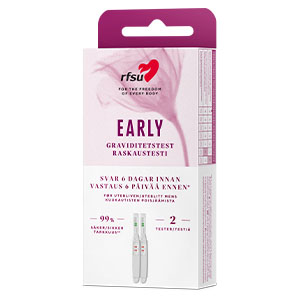
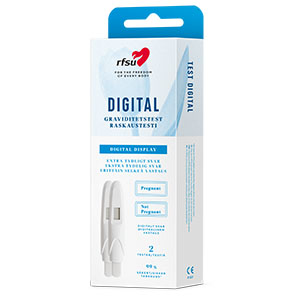

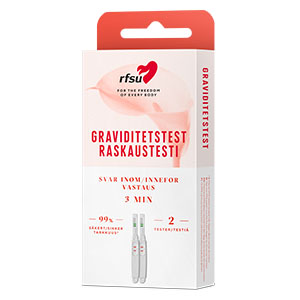
RFSU Weeks - pregnancy test with week indicator

Understanding Your Ovulation
When you’re trying to conceive after stopping birth control, it’s important to learn when you ovulate. Normally, ovulation occurs around day 14 in a 28-day cycle, but this can vary significantly – especially during the first few months after discontinuing birth control.
There are a few signs you can look for:
-
Your cervical mucus changes and becomes clearer and more stretchy, similar to raw egg white.
-
You may notice a slight increase in body temperature.
-
Some people feel a mild ache on one side of the lower abdomen.
-
You may experience an increase in sex drive.
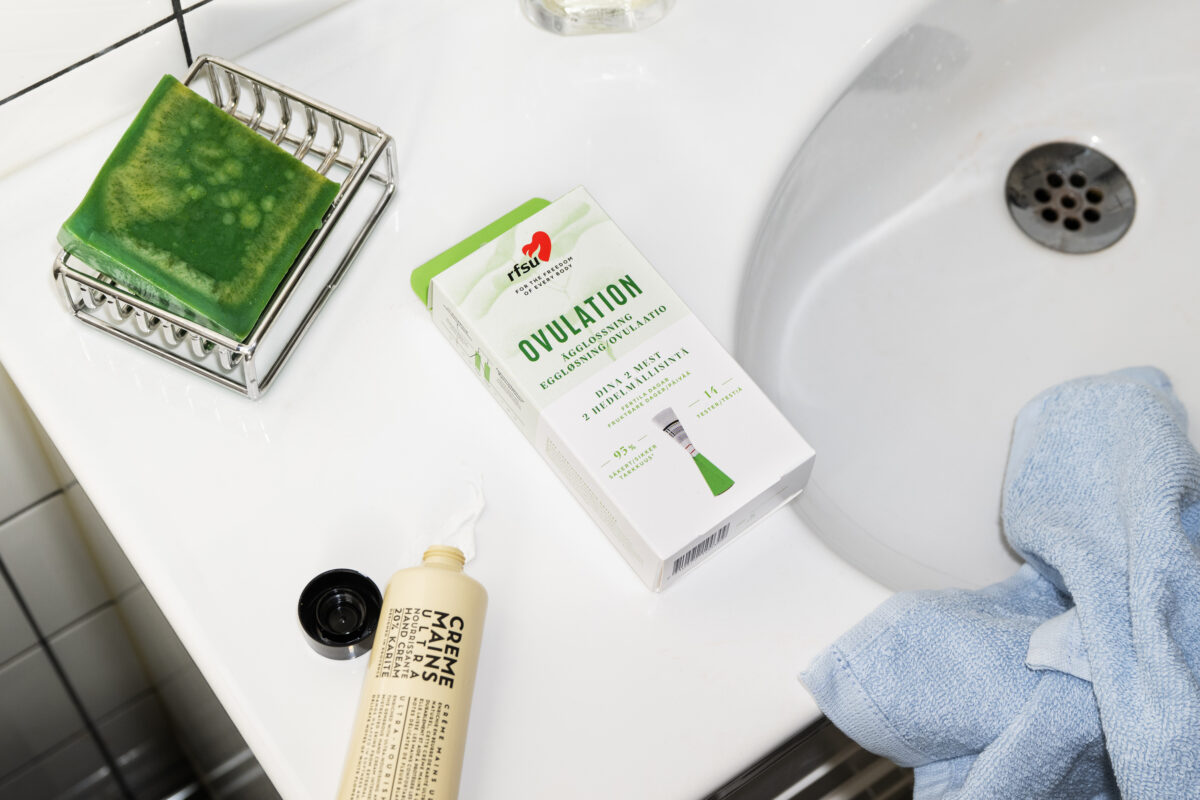
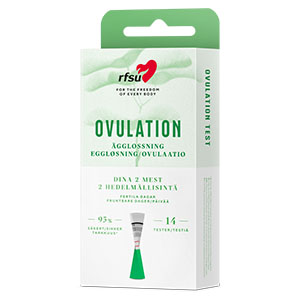
An ovulation calendar combined with ovulation tests can be very helpful for tracking your cycles and identifying your most fertile days.
By paying attention to these signs and keeping track of your cycle, you gain better control and can increase your chances of becoming pregnant.
When to Seek Help
In most cases, it is recommended to seek medical advice if you have been trying to conceive for a year without success. If you are over 35, have irregular periods, or have conditions such as PCOS or endometriosis, it may be wise to seek help after six months. Men with known risk factors – for example, after chemotherapy – may also benefit from an earlier evaluation.
Source: www.1177.se and fact-checked by RFSU clinic.